

Are Esports Real Sports? Let’s Settle the Debate
Picture this: a heated debate breaks out, fueled by laughter and a sprinkle of internet memes, “Are esports real sports?” It’s a question that has lingered in our minds, like the last bite of that leftover pizza. But let’s be real: whether we’re strapped in front of a monitor or sprinting on a field, the passion and adrenaline are universal. So, grab your game controller (or maybe a sports drink) as we jump into this exciting discussion.
Understanding the Definition of Sports
To kick things off, let’s examine what constitutes a sport. Typically, we associate sports with physical activity, competitive nature, and skillful execution. According to the Oxford Dictionary, a sport requires physical exertion and skill, usually under a set of rules. Now, think about competitive gaming: albeit virtual, it also demands skill, strategy, and a hefty dose of mental fortitude.
Time to face it: as technology evolves, so do the definitions we cling to. Wouldn’t we agree that skills honed through eSports should count as sport-worthy? After all, isn’t there something exhilarating about the precision in competitive gaming, much like nailing a perfect shot in basketball?
The Rise of Esports
Remember the days when gaming was a solo escapade? That feels like ages ago. Fast forward to now, and we find ourselves in a vibrant world of esports, where teams battle for glory in multi-million dollar tournaments. The rise of esports has transformed what was once viewed as a niche hobby into a mainstream spectacle. We have even seen sell-out stadiums filled with screaming fans just as passionate as those at a football game.
Platforms like Twitch and YouTube have further fuelled this revolution, helping esports grow into a massive industry. It wouldn’t be an exaggeration to state that esports are hosting championships that rival traditional sports events, drawing in millions of viewers and sponsors alike. With each immersive game, we forge new connections and community ties that realize the very essence of sport.
Comparison to Traditional Sports
Physical and Mental Skills in Esports
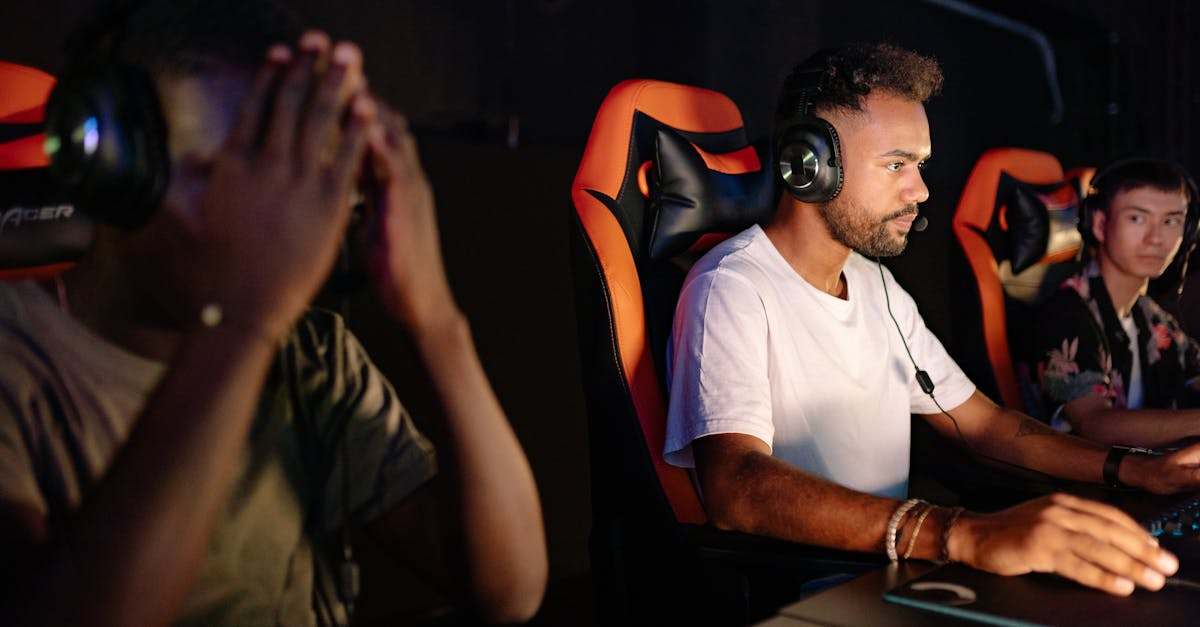
Now, let’s peel back the layer on how esports compare to traditional sports. While it might seem less physically strenuous, we can’t overlook the incredible mental skills involved. Players must exhibit quick reflexes, strategic thinking, and team coordination, skills we often admire in athletes on the field.
We can argue that maneuvering a character through a throng of opponents is as intense as dodging defenders in football. Plus, both realms require a similar level of commitment and training. Many professional esports gamers dedicate hours every day to practice, duct-taping their bodies to chairs just to master their craft. If that doesn’t scream dedication, we don’t know what does.
So, just because esports might not make us break a sweat in the traditional sense, doesn’t mean they lack the rigor that breeds champions.
Community and Fan Engagement
Let’s address a significant facet that intertwines both esports and traditional sports, the vibrant community and fan engagement. Go to any game event, and you’ll see die-hard fans sporting jerseys, engaging in chants, and cheering passionately for their teams. It’s all about a shared passion.
Esports have cultivated one of the most inclusive communities we’ve ever witnessed. Gamers from diverse backgrounds unite, creating an environment brimming with camaraderie and spirit. Whether we’re discussing post-match strategies on Discord or throwing virtual high-fives during a live stream, the connection feels as real as any stadium cheer.
To top it off, social media platforms keep the conversation buzzing. Fans actively engage with players and teams, creating an ecosystem where their favorite stars come alive. Just like attending a live sports match, feeling that rush of excitement while watching streams and interacting with fellow fans is irreplaceable.
The Impact of Esports on the Sports Industry
As esports continue to rise, they’ve started to leave an indelible mark on the broader sports industry. Traditional sports organizations are taking notice. They are investing in esports teams and tournaments. Celebrities and even athletes are endorsing games and participating in crossover events, a sign that conventional athletics are embracing this new frontier.
Also, analysis shows that esports can potentially attract a younger audience, keeping them connected to sports in ways we hadn’t imagined before. The collaboration of these two titans, traditional sports and esports, is paving the way for a future filled with limitless potential. Can anyone argue against the reality of esports in our evolving world? It’s safe to say that everything is up for grabs.